
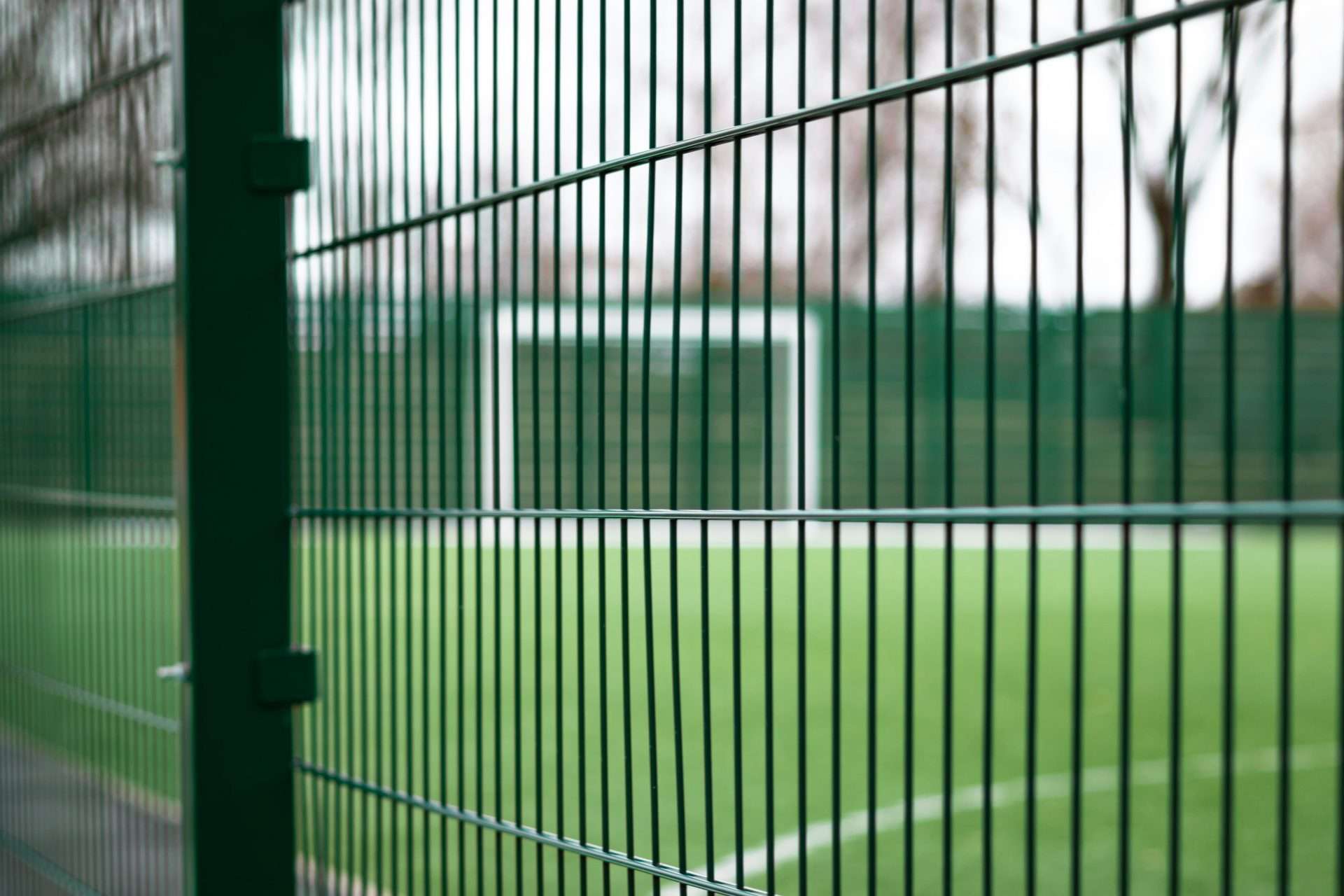
Modular Fence / Three-Wire Fence
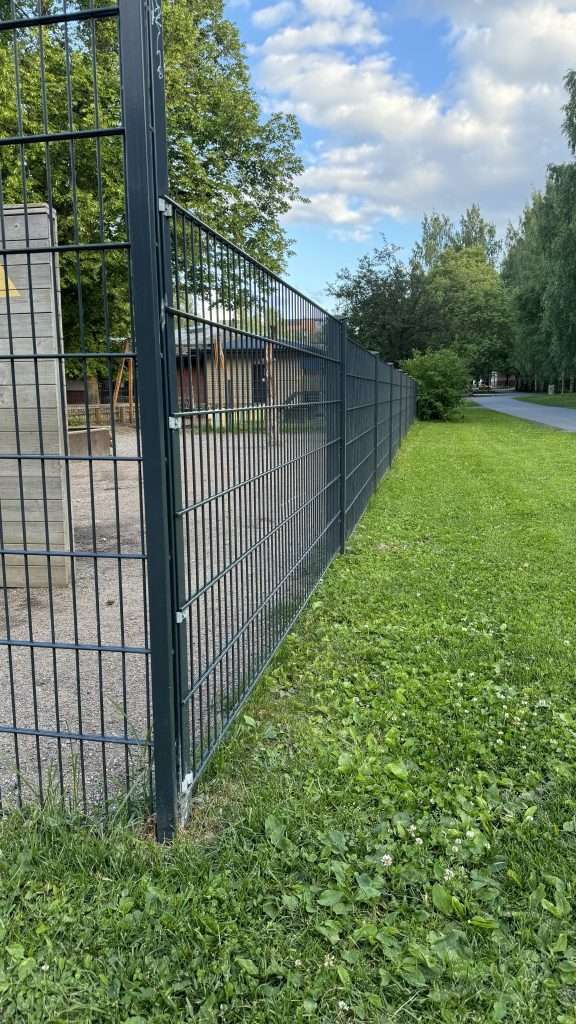
Modular fencing is a durable and versatile solution that provides effective protection and an attractive appearance for industrial areas, residential areas, and public properties alike. Modular fencing is particularly well-suited for perimeter fencing around daycare centers, schools, and sports fields, for example.
Modular fences offer a versatile combination of durability and aesthetic appeal
Modular fences, also known as three-wire fences, are a popular and practical choice for a wide range of applications, particularly for securing school grounds, sports fields, and daycare centers. They offer an excellent combination of aesthetics, safety, and durability. On this page, we’ll explore the benefits, applications, installation processes, and maintenance tips for panel fences so you can understand why they’re so popular for a wide range of applications.
Why choose a modular fence?
Modular fencing is becoming an increasingly popular solution for a wide range of perimeter security needs, and for good reason. It offers numerous advantages that make it an excellent choice for industrial sites, residential areas, and public spaces. Here is a detailed look at why a modular fence might be just the right solution for you.
Why is durability important? Durability is one of the most important factors to consider when choosing a fence, especially in Finland’s variable weather conditions. A fence must be able to withstand heavy rain, strong winds, and snow loads without its structure being compromised.
How durable are modular fences? Modular fences are typically made of high-quality steel or aluminum, which are highly resistant to corrosion and mechanical wear. They are often treated through galvanization or coated with special anti-corrosion agents, which significantly extends their service life. This makes modular fences long-lasting and reliable solutions that retain their appearance and functionality for decades.
Why is easy installation important? Easy installation saves time and money. It also minimizes the disruption that installation work can cause to the surrounding area and residents.
How easy is it to install modular fences? Modular fences consist of prefabricated panels that can be quickly and easily attached to posts. This modular design allows for quick installation without the need for complicated tools or specialized skills. In addition, installation can also be carried out during the winter, making modular fences a flexible choice in all conditions.
Why is low-maintenance important? Fences that require little maintenance save both time and money in the long run. They also ensure that the fence remains safe and visually appealing without the need for constant upkeep.
How easy is it to maintain modular fences? Modular fences require very little maintenance thanks to their durable materials. Galvanized steel and aluminum do not rust easily and are highly resistant to weather-related wear and tear. Maintenance is usually limited to occasional cleaning and, if necessary, touch-ups to the paint finish. This makes panel fences a highly practical choice, especially for large areas where ongoing maintenance would be labor-intensive and costly.
Why is good protection important? The primary purpose of a fence is to provide protection. This can mean improving security, protecting property, or enhancing privacy.
How do panel fences provide good protection? Panel fences are structurally strong and durable, making them excellent barriers. They can be built to various heights and densities, allowing them to be adapted to different security needs. For example, in industrial areas, tall and dense fences can prevent unauthorized access, while in residential areas, shorter and less dense fences can provide privacy without feeling too isolating.
Why is versatility important? A versatile fence can be adapted to a wide range of environments and needs, making it a cost-effective and practical choice.
How versatile are modular fences? Modular fences are available in many different styles, colors, and materials, making it possible to adapt them to various architectural styles and environments. They can be modern and minimalist or more traditional and decorative, depending on the customer’s needs and preferences. This makes prefabricated fences suitable for industrial areas, residential areas, and public spaces alike.
Summary
Modular fences offer durability, easy installation, low-maintenance care, effective protection, and aesthetic appeal, making them an excellent choice for a wide range of needs. By choosing a modular fence, you get a reliable and long-lasting solution that enhances both security and aesthetics. Contact Suomen Aluesuojaus and find the modular fence that’s just right for your needs!
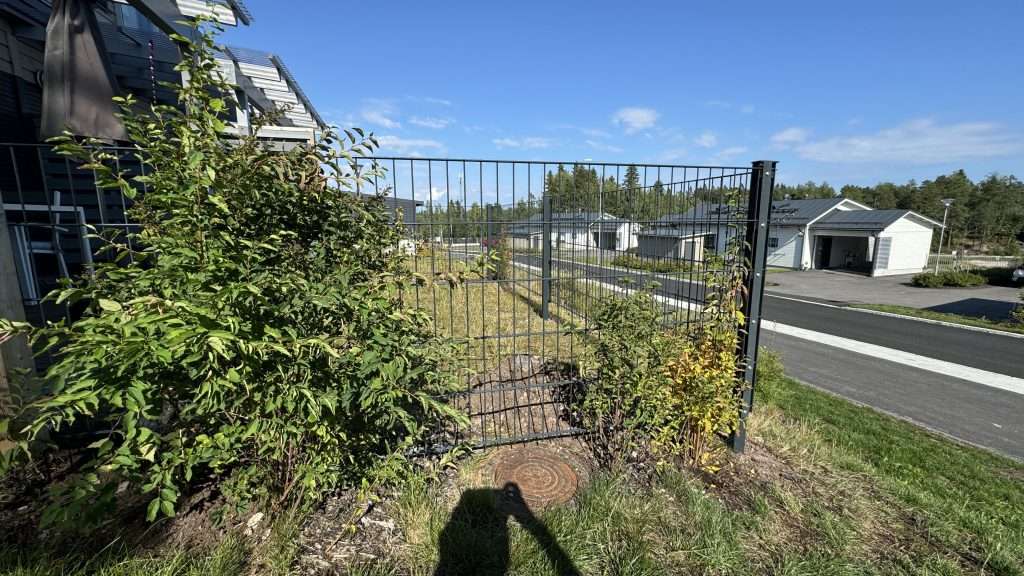
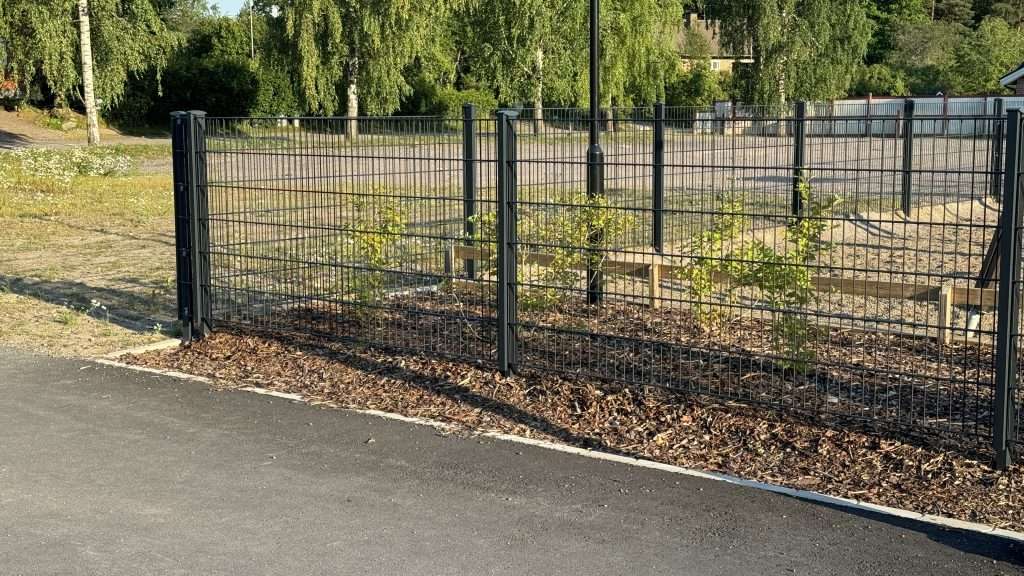
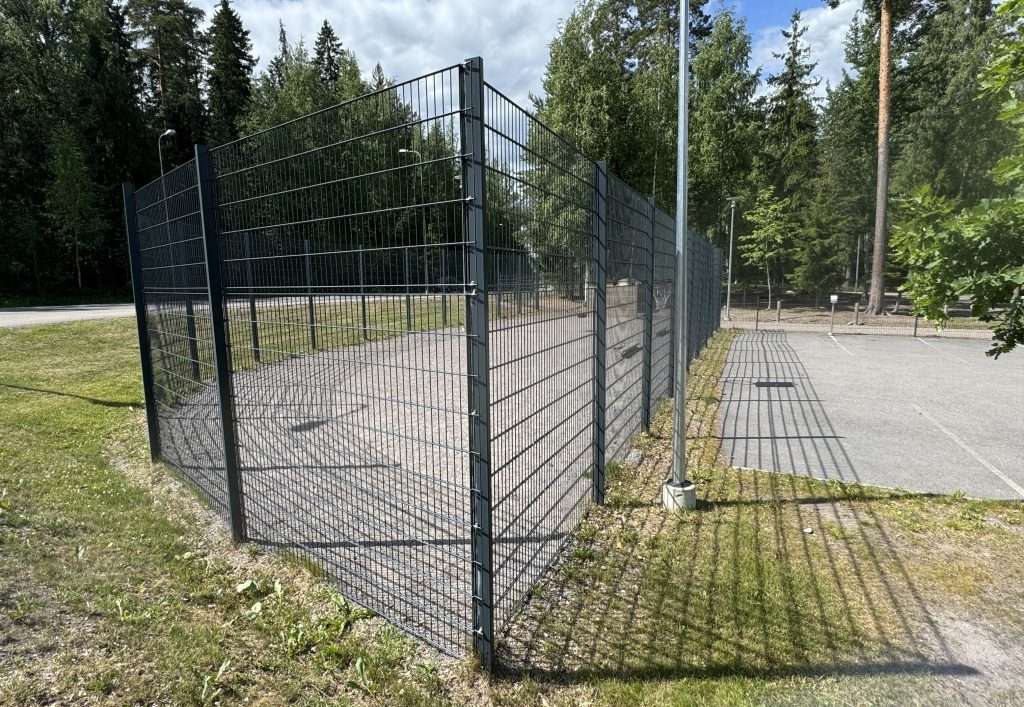
Applications for prefabricated fences
Modular fences can be used in a wide variety of locations and situations. Their durability, ease of installation, and low maintenance requirements make them an ideal choice for a range of environments and needs. Here are some of the most common applications:
Industrial areas require a high level of security and clearly defined boundaries. Modular fences provide a strong physical barrier that prevents unauthorized access. They are durable and long-lasting, making them a cost-effective choice. Their modular design allows them to be adapted to various needs, and their appearance can be tailored—for example, through color—to match the overall look of the industrial area.
In residential areas, prefabricated fences offer both privacy and security. They can block the view into the neighborhood while also acting as a barrier against unauthorized access. Prefabricated fences are available in many different styles and colors, so they can be matched to the architectural style of the residential area, which can increase the value of the neighborhood.
At public properties, such as parks, schools, daycare centers, and sports fields, fences are exposed to heavy wear and tear and harsh weather conditions. In addition, they may be subject to vandalism. Metal panel fences are extremely durable and require little maintenance. They help direct traffic and prevent unauthorized access to hazardous areas, thereby improving safety.
Shopping centers, office buildings, and other commercial properties benefit from modular fencing systems that offer both security and aesthetic value. The appearance of the fencing can be customized to match, for example, the property’s brand colors and visual identity. They help guide pedestrians and vehicles, prevent unauthorized access, and improve overall security.
In agricultural areas, prefabricated fences can protect crops and livestock. They prevent wild animals from entering fields and keep livestock safely within a fenced-in area. Easy installation and minimal maintenance make them a practical solution even for large farms.
Versatile modular fence designs
Modular fences are versatile and come in many different types, suitable for a variety of applications and needs. Here is a brief overview of the different types of modular fences and their features:
Steel panel fences are extremely durable and secure. The panels are pre-welded at the factory, after which they undergo surface treatment: electrogalvanizing and powder coating or hot-dip galvanizing (depending on the application). Thanks to the galvanizing and painting, the panel fences withstand mechanical stress and weather conditions well, making them suitable for demanding environments such as industrial areas and public properties. There is a wide range of color options, but the fastest delivery times are for the standard colors dark gray and dark green. Modular fences are also available with hot-dip galvanizing only, i.e., in the natural color of galvanized steel.
Aluminum panel fences are lightweight and rust-resistant, making them an excellent choice for damp and salty environments. They offer a modern and stylish look. If you’re unsure which panel fence would best suit your needs, please contact our customer service team, and we’ll help you choose the right one! You can also request a quote!
Wooden fence posts and metal components are attached between the wooden posts. These fences combine the natural look of wood with the durability of metal. They offer an aesthetically pleasing and durable solution suitable for both residential areas and public spaces.
PVC panel fences are extremely durable and virtually maintenance-free. They withstand the elements well and are available in a wide range of colors and styles, making them a popular choice for residential and commercial properties.
Composite fencing combines the best features of different materials. It is extremely durable, requires little maintenance, and has a natural appearance. It is well-suited for residential areas and public spaces.
Summary
Different types of modular fences offer versatile solutions for a variety of needs and environments. Contact Suomen Alue Suojaus to find the modular fence that’s right for you!
Installation of a prefabricated fence
Installing prefabricated fences is a relatively simple process, but it requires precision and care, and above all, experience and knowledge of different soil types—and how, for example, frost heave can cause damage if the fence foundations are poorly constructed. Here are the basic steps for installing prefabricated fences:
Before installation, it is important to carefully plan the fence’s location and dimensions. The type of soil and site conditions must be taken into account to ensure that the fence’s foundations are sturdy and durable. It is particularly important to understand the frost line and how it affects different soil types, and consequently, the requirements for the foundations. Also make sure you have the necessary permits from local authorities. This may include a building permit or notification to neighbors.
Fence posts serve as the supporting framework for a panel fence, and their installation is the most critical step, as they affect the stability of the entire fence. Posts are typically installed in concrete footings, which ensure their stability and durability, as they must be set deep into the ground and securely anchored in concrete or, for example, a screw pile, to withstand weather conditions and mechanical stress. The distance between posts is also important and is determined by the type of fence and the width of the panels. Typically, the spacing is about 2–3 meters.
Fence panels are attached to the posts using special fasteners that ensure the panels are secure. It is important to make sure the panels are straight and evenly installed. Check that the panels are straight and at the correct height along the entire length of the fence. Use a level and a tape measure to ensure accuracy.
If the fence includes a gate, it should be installed last. When installing the gate, it is important to ensure that it operates smoothly and safely. Inspect the entire fence and make sure that all fasteners and joints are secure. Perform any necessary finishing work, such as touch-ups or cleaning.
Summary
Installing a panel fence is a critical process that affects the fence’s durability and functionality. Careful planning, precise installation, and regular maintenance ensure that the panel fence provides long-term protection and remains in good condition. Contact Suomen Aluesuojaus for professional assistance with your prefabricated fence installation!
Maintenance of a prefabricated fence
Maintaining prefabricated fences is important to ensure their durability and functionality. Although prefabricated fences are known to be low-maintenance, regular inspections and maintenance help keep the fence in good condition for years to come.
Check that the posts are stable and make sure all fasteners and joints are securely fastened. Loose fasteners can compromise the stability and safety of the fence.
Inspect the condition of the fence panels and check for any damage or corrosion. Repair or replace damaged panels as needed.
Clean the fence regularly to remove dirt, debris, and other contaminants. Use a cloth or brush dampened with mild detergent and water. This helps prevent the buildup of dirt and moisture, which can cause corrosion over time.
Make minor repairs as soon as you notice any problems. This may include tightening fasteners, touching up the paint, or fixing minor damage. Responding quickly prevents problems from getting worse and keeps the fence safe and attractive.
If your fence is exposed to moisture or salty air, consider applying an anti-corrosion treatment or painting it. This will help extend the fence’s lifespan and keep it in good condition. This is especially important if you notice scratches on the fence, as this can allow water and air to come into direct contact with the metal surface and cause corrosion.
Summary
Maintaining panel fences is simple but essential to ensuring their longevity. Regular inspections, cleaning, and minor repairs help keep the fence safe and aesthetically pleasing. A well-maintained panel fence will retain its beauty and functionality for decades.
In conclusion
Modular fencing systems are a versatile and cost-effective solution for a wide range of security and perimeter protection needs. They offer durability, visibility, and aesthetic appeal, making them an ideal choice for industrial areas, public properties, and sports fields, for example. Careful foundation work, installation, and regular maintenance ensure that the modular fence remains functional and long-lasting.
Suomen Aluesuojaus offers a wide selection of modular fences that meet a variety of security and safety needs. Professional installation and maintenance ensure that your fence remains in good condition and provides reliable protection for years to come.
If you need more information about selecting, installing, or maintaining prefabricated fences, please contact Suomen Alue suoja. We’ll help you find the best solution for your needs and ensure that you get a high-quality, durable fence that meets all your requirements.

All in all, a great, high-quality service; highly recommended!
They stayed on schedule as agreed, and the final installation report provided afterward was of very high quality. Their pricing was very competitive compared to their competitors. Customer service was extremely smooth, pleasant, and easy to deal with.

Professionals in perimeter protections
- On-site or remote consultation
- A 100% Finnish family-owned business

FAQ
Frequently Asked Questions
Modular fences are durable, easy to install, and low-maintenance. They offer excellent protection and aesthetic appeal, and are suitable for a wide range of environments, including industrial areas, residential areas, and public spaces.
The installation of a prefabricated fence includes measuring and marking the area, setting the posts in concrete, attaching the fence panels to the posts, and installing the gates. The installation requires careful planning and professional execution.
Modular fences are typically made of steel or aluminum. Galvanized steel and aluminum are popular choices due to their durability and resistance to rust.
The foundations for a prefabricated fence are usually poured into a concrete base that is dug into the ground at the locations of the posts. The depth and width of the concrete foundation depend on the soil quality and the height of the fence, but typically the depth is 60–80 cm and the width is 20–30 cm. The posts must be perfectly vertical, and the concrete must be allowed to cure before attaching the fence panels.
The foundations for a prefabricated fence are usually poured into a concrete base that is dug into the ground at the locations of the posts. The depth and width of the concrete foundation depend on the soil quality and the height of the fence, but typically the depth is 60–80 cm and the width is 20–30 cm. The posts must be perfectly vertical, and the concrete must be allowed to cure before attaching the fence panels.
Prefabricated fence panels are typically 2–3 meters wide, and their heights range from 1 to 3 meters. The distance between posts is determined by the width of the panels, and the diameter of the posts and the thickness of the fence panels vary depending on the height of the fence and its intended use.
Prefabricated fences are typically protected against corrosion by galvanizing the steel, which involves applying a layer of zinc to the steel’s surface. This process prevents rust and extends the fence’s lifespan. Powder coating can also be used, providing additional protection and an attractive finish.
Although prefabricated fences require little maintenance, it is recommended that you inspect them regularly, at least once a year. Maintenance tasks include checking the posts and fasteners, cleaning the panels, and touching up the paint finish as needed. Regular maintenance ensures the fence’s longevity and functionality.


